
If you're facing advanced decay that's hollowed out more tooth than a filling can rebuild, Dentist Open Now lines up a West New York, NJ provider who handles this exact procedure regularly — not as a side offering.
Call the number below and a scheduling coordinator finds you the next available specialist.
+1-866-227-2801 Call Now
Extraction is usually the last option considered, recommended only after a dentist has ruled out a crown, root canal, or other restorative fix. Simple extractions handle teeth fully visible above the gumline, while surgical extractions are needed when a tooth is broken at the gumline or hasn't fully erupted.
Local anesthesia numbs the area completely before any extraction begins, with sedation options available for anxious patients or more involved surgical cases. Aftercare instructions focus on protecting the blood clot that forms in the socket, since disturbing it can lead to a painful complication called dry socket.
Not every extraction needs a replacement right away, but a gap left too long can let neighboring teeth drift and complicate future treatment. Socket preservation at the time of extraction is a small step now that keeps more options open later.
No separate referral needed for more complex surgical extractions in most cases.
Nitrous oxide or oral sedation is available for patients nervous about the procedure.
Urgent extractions are prioritized rather than scheduled weeks out.
Detailed aftercare guidance reduces the risk of dry socket and speeds healing.
Whatever the specifics of your case, the specialist you reach through us has handled it before.
The most common extraction type, typically quick with straightforward recovery.
Handles more complicated cases where the tooth can't simply be lifted out whole.
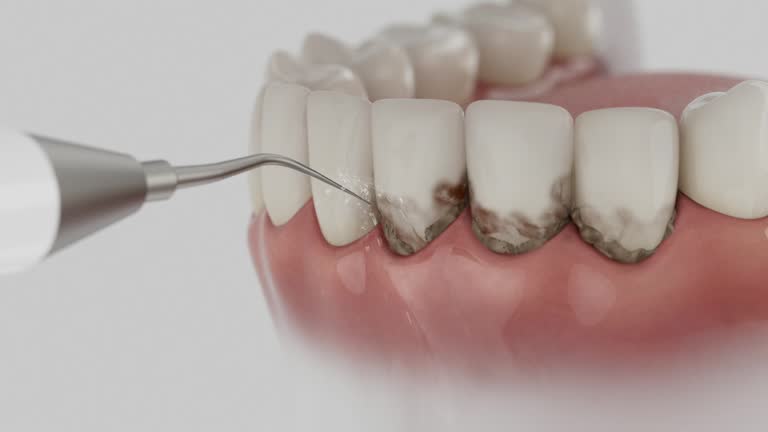
Addresses teeth beyond restorative repair, often alongside a discussion of replacement options.
Often paired with a broader periodontal treatment plan for remaining teeth.

Removes specific teeth to create space needed before braces or aligner treatment begins.
Recommended when you plan to replace the extracted tooth with an implant later on.
A coordinator answers and asks a few quick questions about your specific case and how soon you need care.
We match you with a nearby specialist experienced in this exact procedure and check real-time openings.
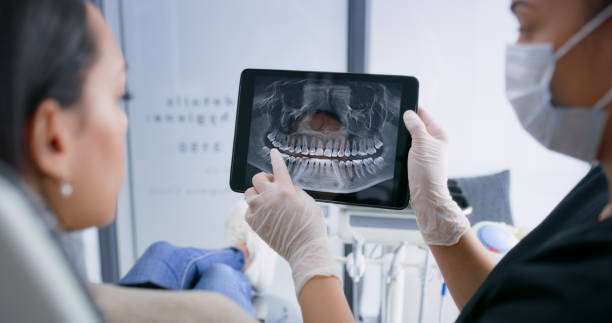
The specialist examines your case, often with same-visit X-rays, and gives you a cost estimate before starting anything.
You leave with the issue addressed and a plan for any next steps already scheduled.
"Explained every step before doing anything. First time a dental visit didn't feel rushed."
"Got in faster than I expected for something this specific. Staff were sharp and direct."
"Price they quoted on the phone matched the invoice exactly. No surprise charges."
Local anesthesia numbs the area fully before extraction, so the procedure itself shouldn't hurt.
Simple extractions typically heal within a week; surgical extractions may take a bit longer.
Following your aftercare instructions on rinsing and diet significantly lowers the risk of this painful complication.
Replacement depends on the tooth's location and your bite; some gaps matter more functionally than others.
If the tooth is actively causing problems, same-day extraction is typically prioritized.
Pricing varies with complexity, and you'll get an estimate before any procedure is performed.
We keep an updated roster of specialists across West New York and the surrounding zip codes, so a nearby provider is already in our network.
Licensed to practice in NJ, credential-checked before joining the network.
A short phone call is all it takes to get this on the calendar this week.
Call +1-866-227-2801 Now